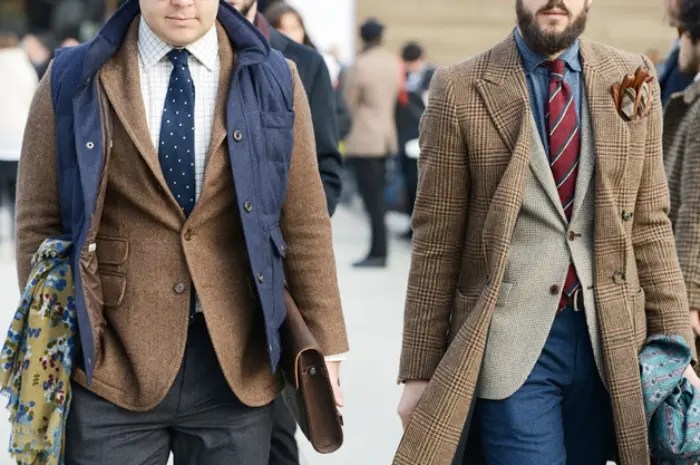
Optimizing Appearance by Layering Clothes

Layering clothes isn’t just about keeping warm during the cooler months; it’s a fashion-forward technique that can add depth, dimension, and versatility to your wardrobe all year round.

Whether you’re aiming for a cozy-chic look in the fall or a stylish ensemble for the summer, mastering the art of layering can elevate your style game to new heights.

In this comprehensive guide, we’ll delve into the principles of layering, explore key techniques and tips for success, and inspire you to experiment with this versatile styling method.

The Principles of Layering

Layering clothes involves combining multiple garments of varying lengths, textures, and weights to create visually interesting and cohesive outfits. The key principles of layering include:

Start with Basics

Begin with foundational pieces such as a fitted T-shirt, tank top, or blouse as your base layer. These form the building blocks of your outfit and provide a streamlined silhouette to build upon.

Mix and Match Textures

Experiment with different textures and fabrics to add visual interest and depth to your look. Combine smooth fabrics like cotton or silk with heavier textures such as wool or denim for contrast.

Play with Proportions

Layering allows you to play with proportions by combining pieces of varying lengths and silhouettes. Pair shorter tops with longer jackets or cardigans to create dimension and balance.

Consider Color Coordination

Pay attention to color coordination when layering clothes to ensure a cohesive and harmonious look. Opt for complementary or monochromatic color schemes for a polished and put-together ensemble.

Focus on Fit

Pay attention to the fit of each layer to ensure a sleek and flattering silhouette. Choose pieces that fit well individually and allow for movement when worn together.

Accessorize Thoughtfully

Accessories such as scarves, belts, and jewelry can enhance your layered look. Experiment with different accessories to add personality and flair to your outfit.

Key Layering Techniques

Now that we’ve covered the basic principles, let’s explore some key layering techniques to help you master this styling method:

The Base Layer

Start with a lightweight, form-fitting base layer such as a tank top, camisole, or fitted long-sleeve shirt. This provides a smooth foundation for the rest of your layers.

The Middle Layer

Add warmth and dimension with a middle layer such as a sweater, cardigan, or button-down shirt. Choose fabrics like cashmere, wool, or knit for added coziness.

The Outer Layer

Finish off your look with an outer layer such as a jacket, coat, or blazer. This piece serves as the final touch and adds structure and polish to your ensemble.

Experiment with Lengths

Mix and match pieces of different lengths to create visual interest. Pair a cropped sweater with high-waisted pants or layer a longer tunic over skinny jeans for a modern look.

Accessorize Strategically

Accessories are the finishing touch that can take your layered look to the next level. Add a statement necklace, chunky scarf, or waist belt to tie the look together and add personality.

Tips for Success

To ensure success when layering clothes, consider the following tips:

Keep it Balanced

Aim for a balanced look by layering pieces of similar weight and volume. Avoid overwhelming your frame with too many bulky layers or clashing textures.

Layer Light to Heavy

Start with lighter-weight fabrics as your base layer and gradually add heavier layers on top. This allows for better temperature regulation and prevents overheating.

Pay Attention to Proportions

Consider your body shape and proportions when layering clothes. Balance shorter tops with longer layers to create a flattering silhouette and avoid adding bulk to areas you want to minimize.

Experiment and Have Fun

Layering clothes is all about experimentation and creativity. Don’t be afraid to mix and match different pieces to discover unique combinations that reflect your personal style.

Conclusion

Layering clothes is a versatile and stylish technique that allows you to create endless outfit possibilities. By understanding the principles of layering, mastering key techniques, and following tips for success, you can optimize your appearance and elevate your style game. Whether you’re bundling up for the winter or styling a chic ensemble for the summer, layering offers endless opportunities for self-expression and creativity. So go ahead, embrace the art of layering, and let your personal style shine.
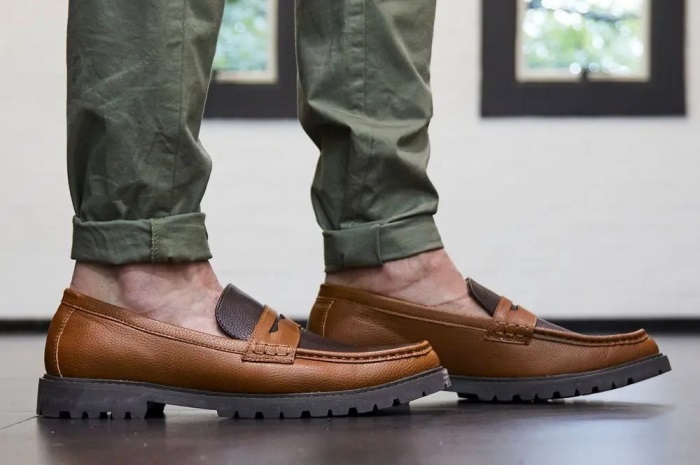
Choosing the Right Shoes for Every Occasion

Shoes are more than just a fashion accessory—they’re essential for protecting our feet and providing support as we navigate various activities and occasions in our lives.

From casual outings to formal events, the right pair of shoes can make all the difference in terms of comfort, style, and functionality.

In this comprehensive guide, we’ll explore how to choose the perfect shoes for every occasion, ensuring that you’re prepared for whatever life throws your way.

Understanding the Importance of Choosing the Right Shoes

The shoes we wear have a significant impact on our overall comfort, health, and appearance. Ill-fitting or inappropriate shoes can lead to discomfort, pain, and even injury, while the right shoes can provide support, stability, and confidence.

By selecting shoes that are suitable for the occasion, we can enhance our comfort and style while also promoting foot health and well-being.

Factors to Consider When Choosing Shoes

1. Comfort

Comfort should be the top priority when selecting shoes for any occasion. Look for shoes with cushioning, arch support, and ample room for your toes.

Consider the materials used, such as soft leather or breathable mesh, to ensure maximum comfort, especially if you’ll be wearing the shoes for an extended period.

2. Style

While comfort is essential, style also plays a significant role in choosing the right shoes. Consider the overall aesthetic of your outfit and the dress code of the occasion.

Whether you prefer classic, casual, or trendy styles, there are shoes available to suit every taste and occasion.

3. Functionality

Think about the specific activities you’ll be engaging in and choose shoes that are appropriate for the occasion.

For example, athletic shoes with good traction and support are ideal for exercise or outdoor activities, while dress shoes are suitable for formal events or professional settings.

4. Durability

Invest in high-quality shoes that are built to last. Look for well-constructed shoes made from durable materials, such as leather or rubber, that can withstand everyday wear and tear.

While quality shoes may come with a higher price tag, they’re often a worthwhile investment in terms of longevity and performance.

5. Fit

Proper fit is crucial for both comfort and foot health. Ensure that your shoes fit well and provide adequate support for your feet.

Avoid shoes that are too tight or too loose, as they can cause discomfort, blisters, and other foot problems. Consider trying on shoes in the afternoon when your feet are slightly larger due to swelling.

Choosing Shoes for Different Occasions

1. Casual Outings

For casual outings such as running errands, meeting friends for coffee, or weekend brunch, opt for comfortable yet stylish shoes such as sneakers, loafers, or sandals. Choose breathable materials and cushioned soles for maximum comfort during long periods of walking or standing.

2. Formal Events

When attending formal events such as weddings, galas, or cocktail parties, opt for dress shoes such as oxfords, loafers, or heels for women. Choose shoes in classic colors such as black, brown, or navy, and ensure they complement your formal attire.

3. Work or Professional Settings

In professional settings such as the office or business meetings, choose shoes that are polished, professional, and comfortable for long hours of wear. Opt for closed-toe shoes such as pumps, loafers, or dress boots, and avoid overly casual styles or excessive embellishments.

4. Outdoor Activities

For outdoor activities such as hiking, camping, or gardening, choose shoes that provide ample support, traction, and protection from the elements. Opt for hiking boots, trail shoes, or waterproof sandals, depending on the terrain and activity level.

5. Athletic Pursuits

When engaging in athletic activities such as running, cycling, or playing sports, choose shoes specifically designed for the activity to ensure optimal performance and injury prevention.

Look for shoes with features such as cushioning, stability, and breathability tailored to your specific sport or activity.

Conclusion

Choosing the right shoes for every occasion is essential for both comfort and style. By considering factors such as comfort, style, functionality, durability, and fit, you can select shoes that meet your needs and complement your outfit, whether you’re attending a formal event, heading to the office, or enjoying outdoor adventures. With the right shoes on your feet, you’ll feel confident, comfortable, and ready to tackle whatever the day may bring.