Acne is a common skin condition that affects millions of people worldwide, regardless of age or gender. While it’s often associated with adolescence, acne can persist into adulthood and leave behind stubborn scars that affect self-confidence.
Fortunately, with the right approach and treatment, you can effectively manage acne and minimize the appearance of scars. In this comprehensive guide, we’ll explore various strategies and treatments to help you achieve clear, blemish-free skin.
Understanding Acne and Scars
Before delving into treatments, it’s essential to understand the root causes of acne and how scars form.
Acne occurs when hair follicles become clogged with oil and dead skin cells, leading to the formation of pimples, blackheads, and whiteheads. Inflammatory acne, characterized by red, swollen lesions, is more likely to result in scarring.
Acne scars develop when the skin’s natural healing process is disrupted, causing abnormal collagen production. There are two main types of acne scars:
- Atrophic scars: These scars result from a loss of tissue and appear as depressions or indentations in the skin. The most common types of atrophic scars are icepick, rolling, and boxcar scars.
- Hypertrophic scars: These scars occur when the body produces too much collagen during the healing process, leading to raised or thickened patches of skin.
Effective Treatment Options
1. Topical Treatments
- Salicylic Acid: This beta-hydroxy acid helps unclog pores and exfoliate the skin, reducing acne breakouts and preventing new blemishes from forming.
- Benzoyl Peroxide: An antibacterial agent that kills acne-causing bacteria and reduces inflammation. It’s available in various strengths and formulations, including gels, creams, and washes.
- Retinoids: Derived from vitamin A, retinoids promote cell turnover and prevent the formation of new acne lesions. They also help fade acne scars over time by stimulating collagen production.
2. Oral Medications
- Antibiotics: Oral antibiotics, such as tetracycline, doxycycline, and minocycline, are often prescribed to treat moderate to severe acne. They work by reducing inflammation and killing acne-causing bacteria.
- Isotretinoin: Commonly known by the brand name Accutane, isotretinoin is a powerful oral medication reserved for severe, treatment-resistant acne. It works by shrinking oil glands, reducing oil production, and preventing acne recurrence.
3. Laser and Light Therapies
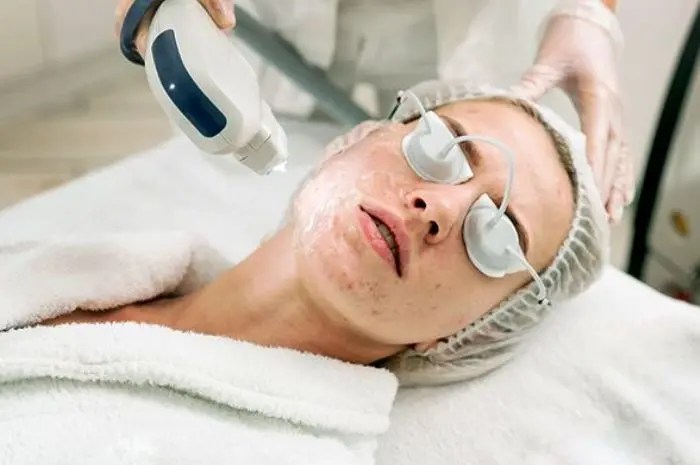
- Laser Resurfacing: Fractional laser therapy stimulates collagen production and resurfaces the skin, reducing the appearance of acne scars. It’s particularly effective for treating atrophic scars.
- Intense Pulsed Light (IPL): IPL therapy targets acne-causing bacteria and reduces redness and inflammation associated with acne. It can also improve skin tone and texture.
4. Chemical Peels
- Glycolic Acid Peels: These superficial peels exfoliate the outer layer of the skin, promoting cell turnover and reducing the appearance of acne scars. They’re typically performed in a series of treatments for best results.
- TCA (Trichloroacetic Acid) Peels: TCA peels penetrate deeper into the skin than glycolic acid peels, making them more effective for treating moderate acne scars.
5. Microneedling
Collagen Induction Therapy (CIT): Microneedling involves using a device with fine needles to create microscopic injuries in the skin, triggering the body’s natural healing response and stimulating collagen production. Over time, this can improve the appearance of acne scars and enhance overall skin texture.
Tips for Preventing Acne and Minimizing Scars
Maintain a Consistent Skincare Routine: Cleanse your skin twice daily with a gentle cleanser and moisturize with a non-comedogenic moisturizer to keep your skin hydrated without clogging pores.
- Avoid Picking or Squeezing Pimples: Picking at acne lesions can worsen inflammation and increase the risk of scarring. Instead, leave blemishes alone and allow them to heal naturally.
- Protect Your Skin from the Sun: Sun exposure can darken acne scars and prolong healing. Always wear sunscreen with SPF 30 or higher, and seek shade when outdoors.
- Eat a Balanced Diet: Consuming a diet rich in fruits, vegetables, lean proteins, and whole grains can support overall skin health and reduce acne breakouts.
- Manage Stress: Stress can exacerbate acne flare-ups, so practice stress-reduction techniques such as meditation, yoga, or deep breathing exercises.
Conclusion
Dealing with acne and acne scars can be challenging, but with the right approach and treatment plan, you can achieve clearer, healthier skin.
Whether you opt for topical treatments, oral medications, or advanced procedures like laser therapy or microneedling, consulting a dermatologist is key to developing a personalized treatment plan tailored to your unique skincare needs. By combining effective treatments with preventive measures and adopting a healthy lifestyle, you can say goodbye to acne and hello to radiant, blemish-free skin.
 Become Politics